Source:- Google.com.pk
Salmon is the common name for several species of fish in the family Salmonidae. Other fish in the same family include trout, char, grayling and whitefish. Salmon are native to tributaries of the North Atlantic (genus Salmo) and Pacific Ocean (genus Oncorhynchus). Many species of salmon have been introduced into non-native environments such as the Great Lakes of North America and Patagonia in South America. Salmon are intensively produced in aquaculture in many parts of the world.
Typically, salmon are anadromous: they are born in fresh water, migrate to the ocean, then return to fresh water to reproduce. However, populations of several species are restricted to fresh water through their lives. Various species of salmon display anadromous life strategies while others display freshwater resident life strategies. Folklore has it that the fish return to the exact spot where they were born to spawn; tracking studies have shown this to be mostly true. A portion of a returning salmon run may stray and spawn in different freshwater systems. The percent of straying depends on the specie of salmon. Homing behavior has been shown to depend on olfactory memory.
Species
The term "salmon" comes from the Latin salmo, which in turn may have originated from salire, meaning "to leap". The nine commercially important species of salmon occur in two genera. The genus Salmo contains the Atlantic salmon, found in the north Atlantic, as well as many species commonly named trout. The genus Oncorhynchus contains eight species which occur naturally only in the north Pacific. As a group, these are known as Pacific salmon. Chinook salmon have been introduced in New Zealand and Patagonia. Coho, Kokanee and Atlantic salmon have been established in Patagonia as well.
Salmon eggs are laid in freshwater streams typically at high latitudes. The eggs hatch into alevin or sac fry. The fry quickly develop into parr with camouflaging vertical stripes. The parr stay for six months to three years in their natal stream before becoming smolts, which are distinguished by their bright, silvery colour with scales that are easily rubbed off. Only 10% of all salmon eggs are estimated to survive to this stage. The smolt body chemistry changes, allowing them to live in saltwater. Smolts spend a portion of their out-migration time in brackish water, where their body chemistry becomes accustomed to osmoregulation in the ocean.
The salmon spend about one to five years (depending on the species) in the open ocean, where they gradually become sexually mature. The adult salmon then return primarily to their natal streams to spawn. Atlantic salmon spend between one and four years at sea. (When a fish returns after just one year's sea feeding, it is called a grilse in Canada, Britain and Ireland.) Prior to spawning, depending on the species, salmon undergo changes. They may grow a hump, develop canine teeth, develop a kype (a pronounced curvature of the jaws in male salmon). All will change from the silvery blue of a fresh-run fish from the sea to a darker colour. Salmon can make amazing journeys, sometimes moving hundreds of miles upstream against strong currents and rapids to reproduce. Chinook and sockeye salmon from central Idaho, for example, travel over 900 miles (1,400 km) and climb nearly 7,000 feet (2,100 m) from the Pacific Ocean as they return to spawn. Condition tends to deteriorate the longer the fish remain in fresh water, and they then deteriorate further after they spawn, when they are known as kelts. In all species of Pacific salmon, the mature individuals die within a few days or weeks of spawning, a trait known as semelparity. Between 2 and 4% of Atlantic salmon kelts survive to spawn again, all females. However, even in those species of salmon that may survive to spawn more than once (iteroparity), postspawning mortality is quite high (perhaps as high as 40 to 50%.)
To lay her roe, the female salmon uses her tail (caudal fin), to create a low-pressure zone, lifting gravel to be swept downstream, excavating a shallow depression, called a redd. The redd may sometimes contain 5,000 eggs covering 30 square feet (2.8 m2).[50] The eggs usually range from orange to red. One or more males will approach the female in her redd, depositing his sperm, or milt, over the roe. The female then covers the eggs by disturbing the gravel at the upstream edge of the depression before moving on to make another redd. The female will make as many as seven redds before her supply of eggs is exhausted.
Each year, the fish experiences a period of rapid growth, often in summer, and one of slower growth, normally in winter. This results in ring formation around an earbone called the otolith, (annuli) analogous to the growth rings visible in a tree trunk. Freshwater growth shows as densely crowded rings, sea growth as widely spaced rings; spawning is marked by significant erosion as body mass is converted into eggs and milt.
Freshwater streams and estuaries provide important habitat for many salmon species. They feed on terrestrial and aquatic insects, amphipods, and other crustaceans while young, and primarily on other fish when older. Eggs are laid in deeper water with larger gravel, and need cool water and good water flow (to supply oxygen) to the developing embryos. Mortality of salmon in the early life stages is usually high due to natural predation and human-induced changes in habitat, such as siltation, high water temperatures, low oxygen concentration, loss of stream cover, and reductions in river flow. Estuaries and their associated wetlands provide vital nursery areas for the salmon prior to their departure to the open ocean. Wetlands not only help buffer the estuary from silt and pollutants, but also provide important feeding and hiding areas.
Salmon not killed by other means show greatly accelerated deterioration (phenoptosis, or "programmed aging") at the end of their lives. Their bodies rapidly deteriorate right after they spawn as a result of the release of massive amounts of corticosteroids.
As Food
Salmon is a popular food. Classified as an oily fish, salmon is considered to be healthy due to the fish's high protein, high omega-3 fatty acids, and high vitamin D content. Salmon is also a source of cholesterol, with a range of 23–214 mg/100 g depending on the species. According to reports in the journal Science, however, farmed salmon may contain high levels of dioxins. PCB (polychlorinated biphenyl) levels may be up to eight times higher in farmed salmon than in wild salmon,[86] but still well below levels considered dangerous.Nonetheless, according to a 2006 study published in the Journal of the American Medical Association, the benefits of eating even farmed salmon still outweigh any risks imposed by contaminants. Farmed salmon is shown to have a high omega 3 fatty acid content comparable to wild salmon. The type of omega-3 present may not be a factor for other important health functions.
Salmon flesh is generally orange to red, although white-fleshed wild salmon occurs. The natural colour of salmon results from carotenoid pigments, largely astaxanthin, but also canthaxanthin, in the flesh. Wild salmon get these carotenoids from eating krill and other tiny shellfish.
The vast majority of Atlantic salmon available around the world are farmed (almost 99%),[92] whereas the majority of Pacific salmon are wild-caught (greater than 80%). Canned salmon in the US is usually wild Pacific catch, though some farmed salmon is available in canned form. Smoked salmon is another popular preparation method, and can either be hot or cold smoked. Lox can refer to either cold-smoked salmon or salmon cured in a brine solution (also called gravlax). Traditional canned salmon includes some skin (which is harmless) and bone (which adds calcium). Skinless and boneless canned salmon is also available.
Raw salmon flesh may contain Anisakis nematodes, marine parasites that cause anisakiasis. Before the availability of refrigeration, the Japanese did not consume raw salmon. Salmon and salmon roe have only recently come into use in making sashimi (raw fish) and sushi.
Healthy Salmon Recipes Healthy Recipes for Kids for Weight Loss Tumblr for Two for Lunch for Christmas to Lose Weight with Ground Beef
.jpg)
Healthy Salmon Recipes Healthy Recipes for Kids for Weight Loss Tumblr for Two for Lunch for Christmas to Lose Weight with Ground Beef
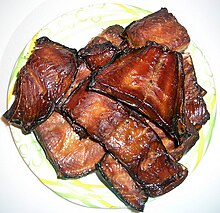
Healthy Salmon Recipes Healthy Recipes for Kids for Weight Loss Tumblr for Two for Lunch for Christmas to Lose Weight with Ground Beef
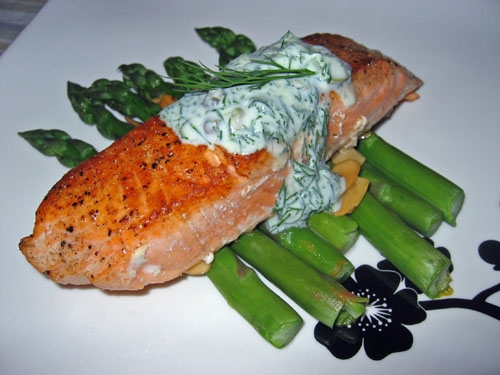
Healthy Salmon Recipes Healthy Recipes for Kids for Weight Loss Tumblr for Two for Lunch for Christmas to Lose Weight with Ground Beef

Healthy Salmon Recipes Healthy Recipes for Kids for Weight Loss Tumblr for Two for Lunch for Christmas to Lose Weight with Ground Beef

Healthy Salmon Recipes Healthy Recipes for Kids for Weight Loss Tumblr for Two for Lunch for Christmas to Lose Weight with Ground Beef

Healthy Salmon Recipes Healthy Recipes for Kids for Weight Loss Tumblr for Two for Lunch for Christmas to Lose Weight with Ground Beef

Healthy Salmon Recipes Healthy Recipes for Kids for Weight Loss Tumblr for Two for Lunch for Christmas to Lose Weight with Ground Beef
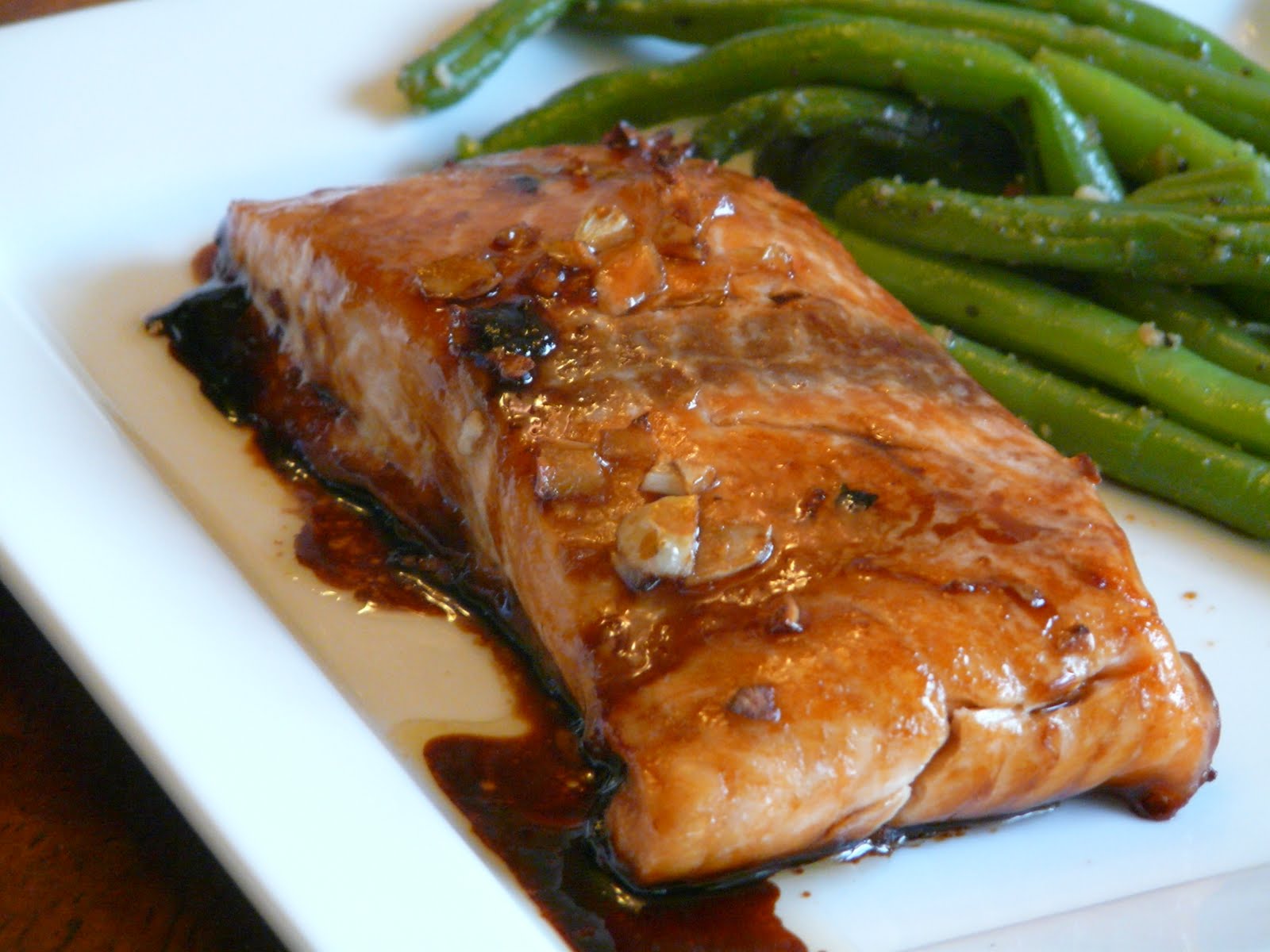
Healthy Salmon Recipes Healthy Recipes for Kids for Weight Loss Tumblr for Two for Lunch for Christmas to Lose Weight with Ground Beef

Healthy Salmon Recipes Healthy Recipes for Kids for Weight Loss Tumblr for Two for Lunch for Christmas to Lose Weight with Ground Beef

Healthy Salmon Recipes Healthy Recipes for Kids for Weight Loss Tumblr for Two for Lunch for Christmas to Lose Weight with Ground Beef
