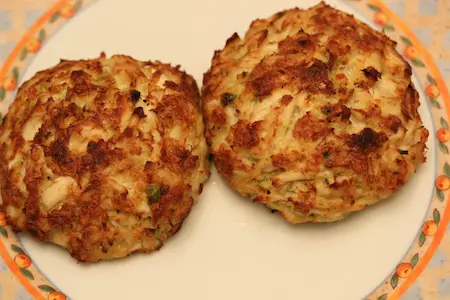
Monday, 2 February 2015

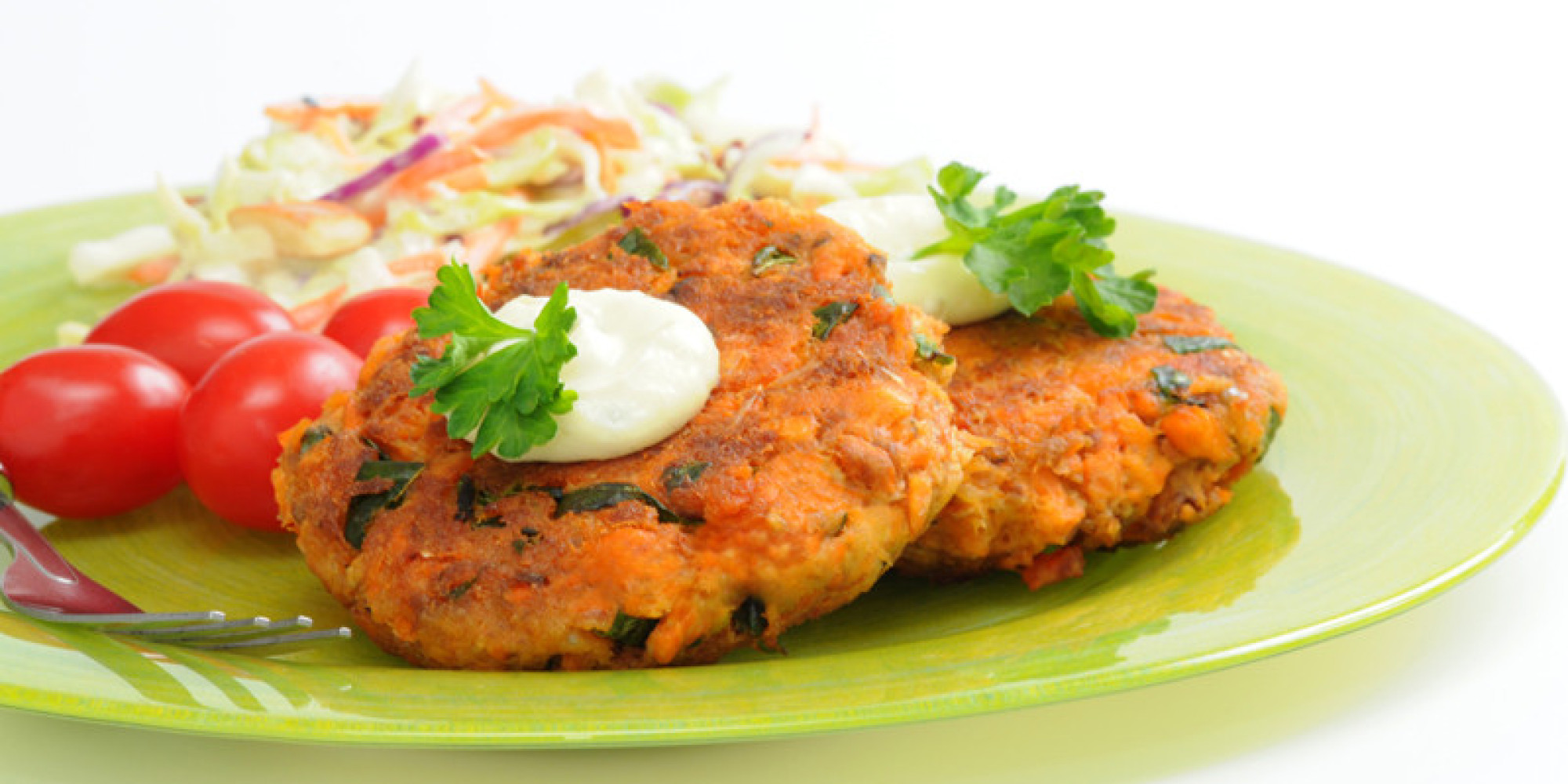
Healthy Salmon Recipes Healthy Recipes for Kids for Weight Loss Tumblr for Two for Lunch for Christmas to Lose Weight with Ground Beef

Healthy Salmon Recipes Biography


Source:- Google.com.pk
Salmon  is the common name for several species of fish in the family Salmonidae. Other fish in the same family include trout, char, grayling and whitefish. Salmon are native to tributaries of the North Atlantic (genus Salmo) and Pacific Ocean (genus Oncorhynchus). Many species of salmon have been introduced into non-native environments such as the Great Lakes of North America and Patagonia in South America. Salmon are intensively produced in aquaculture in many parts of the world.

Typically, salmon are anadromous: they are born in fresh water, migrate to the ocean, then return to fresh water to reproduce. However, populations of several species are restricted to fresh water through their lives. Various species of salmon display anadromous life strategies while others display freshwater resident life strategies. Folklore has it that the fish return to the exact spot where they were born to spawn; tracking studies have shown this to be mostly true. A portion of a returning salmon run may stray and spawn in different freshwater systems. The percent of straying depends on the specie of salmon. Homing behavior has been shown to depend on olfactory memory.

Species

The term "salmon" comes from the Latin salmo, which in turn may have originated from salire, meaning "to leap". The nine commercially important species of salmon occur in two genera. The genus Salmo contains the Atlantic salmon, found in the north Atlantic, as well as many species commonly named trout. The genus Oncorhynchus contains eight species which occur naturally only in the north Pacific. As a group, these are known as Pacific salmon. Chinook salmon have been introduced in New Zealand and Patagonia. Coho, Kokanee and Atlantic salmon have been established in Patagonia as well.


Salmon eggs are laid in freshwater streams typically at high latitudes. The eggs hatch into alevin or sac fry. The fry quickly develop into parr with camouflaging vertical stripes. The parr stay for six months to three years in their natal stream before becoming smolts, which are distinguished by their bright, silvery colour with scales that are easily rubbed off. Only 10% of all salmon eggs are estimated to survive to this stage. The smolt body chemistry changes, allowing them to live in saltwater. Smolts spend a portion of their out-migration time in brackish water, where their body chemistry becomes accustomed to osmoregulation in the ocean.
The salmon spend about one to five years (depending on the species) in the open ocean, where they gradually become sexually mature. The adult salmon then return primarily to their natal streams to spawn. Atlantic salmon spend between one and four years at sea. (When a fish returns after just one year's sea feeding, it is called a grilse in Canada, Britain and Ireland.) Prior to spawning, depending on the species, salmon undergo changes. They may grow a hump, develop canine teeth, develop a kype (a pronounced curvature of the jaws in male salmon). All will change from the silvery blue of a fresh-run fish from the sea to a darker colour. Salmon can make amazing journeys, sometimes moving hundreds of miles upstream against strong currents and rapids to reproduce. Chinook and sockeye salmon from central Idaho, for example, travel over 900 miles (1,400 km) and climb nearly 7,000 feet (2,100 m) from the Pacific Ocean as they return to spawn. Condition tends to deteriorate the longer the fish remain in fresh water, and they then deteriorate further after they spawn, when they are known as kelts. In all species of Pacific salmon, the mature individuals die within a few days or weeks of spawning, a trait known as semelparity. Between 2 and 4% of Atlantic salmon kelts survive to spawn again, all females. However, even in those species of salmon that may survive to spawn more than once (iteroparity), postspawning mortality is quite high (perhaps as high as 40 to 50%.)

To lay her roe, the female salmon uses her tail (caudal fin), to create a low-pressure zone, lifting gravel to be swept downstream, excavating a shallow depression, called a redd. The redd may sometimes contain 5,000 eggs covering 30 square feet (2.8 m2).[50] The eggs usually range from orange to red. One or more males will approach the female in her redd, depositing his sperm, or milt, over the roe. The female then covers the eggs by disturbing the gravel at the upstream edge of the depression before moving on to make another redd. The female will make as many as seven redds before her supply of eggs is exhausted.

Each year, the fish experiences a period of rapid growth, often in summer, and one of slower growth, normally in winter. This results in ring formation around an earbone called the otolith, (annuli) analogous to the growth rings visible in a tree trunk. Freshwater growth shows as densely crowded rings, sea growth as widely spaced rings; spawning is marked by significant erosion as body mass is converted into eggs and milt.

Freshwater streams and estuaries provide important habitat for many salmon species. They feed on terrestrial and aquatic insects, amphipods, and other crustaceans while young, and primarily on other fish when older. Eggs are laid in deeper water with larger gravel, and need cool water and good water flow (to supply oxygen) to the developing embryos. Mortality of salmon in the early life stages is usually high due to natural predation and human-induced changes in habitat, such as siltation, high water temperatures, low oxygen concentration, loss of stream cover, and reductions in river flow. Estuaries and their associated wetlands provide vital nursery areas for the salmon prior to their departure to the open ocean. Wetlands not only help buffer the estuary from silt and pollutants, but also provide important feeding and hiding areas.

Salmon not killed by other means show greatly accelerated deterioration (phenoptosis, or "programmed aging") at the end of their lives. Their bodies rapidly deteriorate right after they spawn as a result of the release of massive amounts of corticosteroids.

As Food

Salmon is a popular food. Classified as an oily fish, salmon is considered to be healthy due to the fish's high protein, high omega-3 fatty acids, and high vitamin D content. Salmon is also a source of cholesterol, with a range of 23–214 mg/100 g depending on the species. According to reports in the journal Science, however, farmed salmon may contain high levels of dioxins. PCB (polychlorinated biphenyl) levels may be up to eight times higher in farmed salmon than in wild salmon,[86] but still well below levels considered dangerous.Nonetheless, according to a 2006 study published in the Journal of the American Medical Association, the benefits of eating even farmed salmon still outweigh any risks imposed by contaminants. Farmed salmon is shown to have a high omega 3 fatty acid content comparable to wild salmon. The type of omega-3 present may not be a factor for other important health functions.

Salmon flesh is generally orange to red, although white-fleshed wild salmon occurs. The natural colour of salmon results from carotenoid pigments, largely astaxanthin, but also canthaxanthin, in the flesh. Wild salmon get these carotenoids from eating krill and other tiny shellfish.

The vast majority of Atlantic salmon available around the world are farmed (almost 99%),[92] whereas the majority of Pacific salmon are wild-caught (greater than 80%). Canned salmon in the US is usually wild Pacific catch, though some farmed salmon is available in canned form. Smoked salmon is another popular preparation method, and can either be hot or cold smoked. Lox can refer to either cold-smoked salmon or salmon cured in a brine solution (also called gravlax). Traditional canned salmon includes some skin (which is harmless) and bone (which adds calcium). Skinless and boneless canned salmon is also available.

Raw salmon flesh may contain Anisakis nematodes, marine parasites that cause anisakiasis. Before the availability of refrigeration, the Japanese did not consume raw salmon. Salmon and salmon roe have only recently come into use in making sashimi (raw fish) and sushi.


Healthy Salmon Recipes Healthy Recipes for Kids for Weight Loss Tumblr for Two for Lunch for Christmas to Lose Weight with Ground Beef
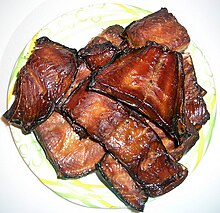
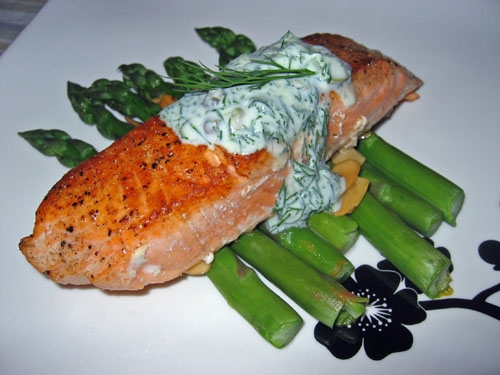
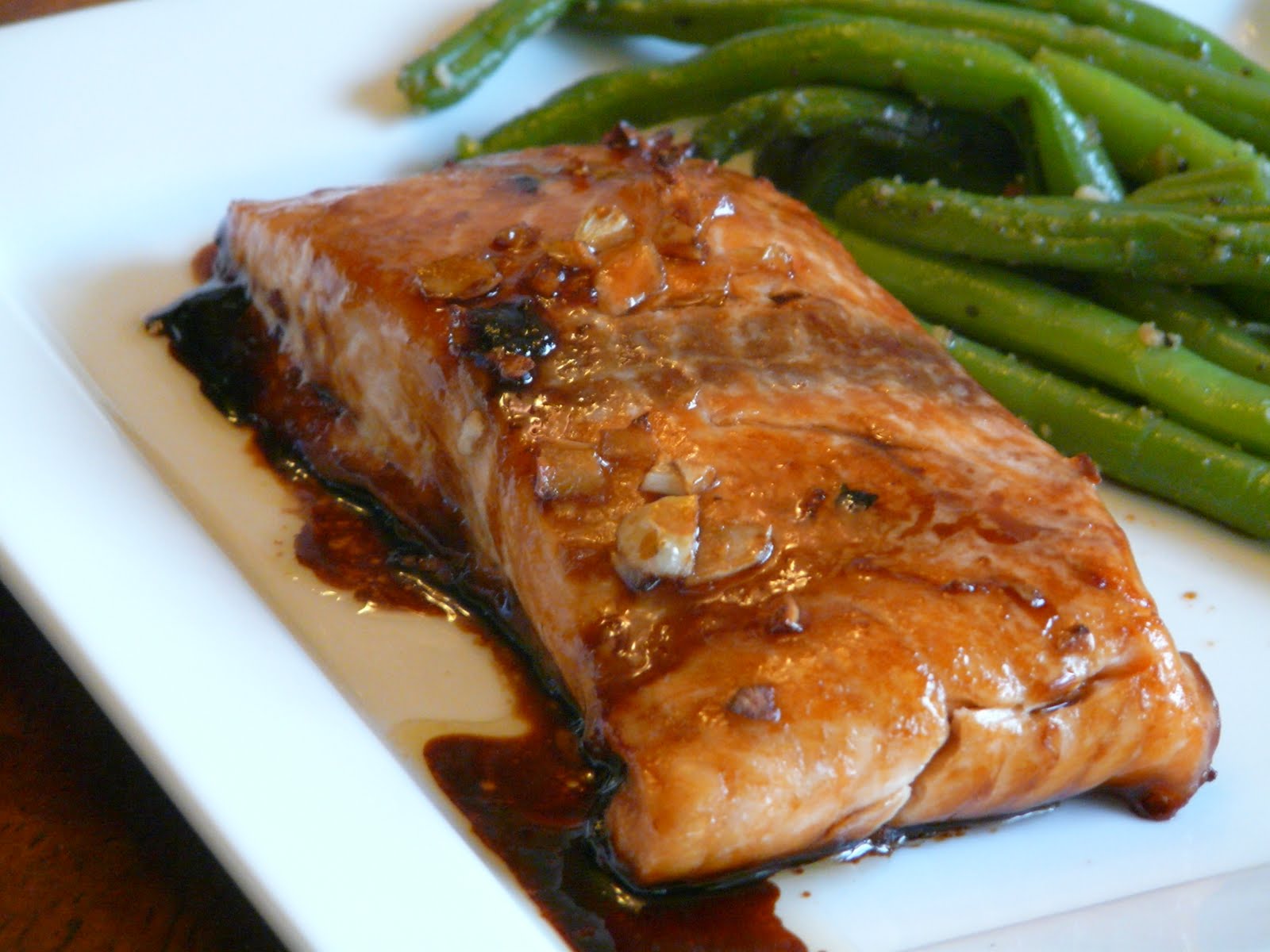

Healthy Salmon Recipes Healthy Recipes for Kids for Weight Loss Tumblr for Two for Lunch for Christmas to Lose Weight with Ground Beef


Healthy Delicious Recipes Healthy Recipes for Kids for Weight Loss Tumblr for Two for Lunch for Christmas to Lose Weight with Ground Beef

Healthy Delicious Recipes Biography


Source:- Google.com.pk
The Golden Delicious is a cultivar of apple with a yellow color, not closely related to the Red Delicious apple. According to the US Apple Association website it is one of the fifteen most popular apple cultivars in the United States

Appearance And Flavor

Golden Delicious is a large, yellowish-green skinned cultivar and very sweet to the taste. It is prone to bruising and shriveling, so it needs careful handling and storage. It is a favorite for salads, apple sauce, and apple butter.

History

This cultivar is a chance seedling possibly a hybrid of Grimes Golden and Golden Reinette. The original tree was found on the Mullins' family farm in Clay County, West Virginia, United States and was locally known as Mullin's Yellow Seedling and Annit apple. Anderson Mullins sold the tree and propagation rights to Stark Brothers Nurseries, which first marketed it as a companion of their Red Delicious in 1914.

I was born in 1876 on the farm where that apple tree later became famous. My dad was L. L. Mullins, who owned the farm. "Now one day, when I was about 15 years old, that would have been about 1891, dad sent me out with a big old mowin' scythe to mow the pasture field. "I was swingin' away with the scythe when I came across a little apple tree that had grown about 20 inches tall. It was just a new little apple tree that had volunteered there. There wasn't another apple tree right close by anywhere. "I thought to myself, 'Now young feller, I'll just leave you there,' and that's what I did. I mowed around it and on other occasions I mowed around it again and again, and it grew into a nice lookin' little apple tree and eventually it was a big tree and bore apples. "Now my dad later gave that piece of the farm in a trade to my brother, B. W. Mullins, and later still he traded the farm place to Uncle Anderson Mullins. "Uncle Anderson had a brother-in-law named Gus Carnes, and one day Gus and Uncle Anderson decided to send some of the apples to the Stark Brothers nursery to tell what kind of apple it was. And that was when the tree became famous and started the Golden Delicious apple line, for it was that tree that has produced every last one of the Golden Delicious apple trees that have ever grown anywhere. "The Starks sent a man to look at the tree, just like you've heard, and they bought the tree and the ground for 30 feet around it, and eventually they fenced it. They were to get all the fruit from the tree, down to the last apple." But there is more to the story. For anyone connected with agriculture, the name of George C Deems will probably pull a memory chord. He began as an Agriculture Extension agent in 1933, in Clay County, West Virginia serving there for eight years and an additional two years in Doddridge county. In Clay County, George Deems was instrumental in preserving and perpetuating the original Stark's Golden delicious apple tree on A. H. Mullins property back in 1938. The famed tree came to the attention of the Stark Brothers a number of years before, when Mr. Mullins sent three apples to Mr. Stark one fine April. The Golden

Delicious' long keeping qualities were soon abundantly evident to Mr. Stark, as well as to United States Pomologist Colonel Brackett, in Washington, and the nursery bought the tree and ground on which it stands from Mr. Mullins for the -then-golden sum of $5,000.00, after verifying that the tree was the producer of the long sought perfect yellow apple. George Deems visited the famed tree shortly after he became extension agent and personally pruned the valuable tree while a DPW, That's

Department of Public Works, to predepression kids- project renovated and restored the protective woven wire cage that guarded the tree against clandestine pruners who would have otherwise whittled it down, graft by graft.

In 2010, an Italian-led consortium announced they had decoded the complete genome of the Golden delicious apple. It had the highest number of genes (57,000) of any plant genome studied to date.


Healthy Delicious Recipes Healthy Recipes for Kids for Weight Loss Tumblr for Two for Lunch for Christmas to Lose Weight with Ground Beef

Healthy Delicious Recipes Healthy Recipes for Kids for Weight Loss Tumblr for Two for Lunch for Christmas to Lose Weight with Ground Beef

Wednesday, 28 January 2015

Eat Healthy Recipes Healthy Recipes for Kids for Weight Loss Tumblr for Two for Lunch for Christmas to Lose Weight with Ground Beef

Eat Healthy Recipes Biography 


Source: Google.com.pk
Eating (also known as consuming) is the ingestion of food or other objects, typically to provide a heterotrophic organism with energy and to allow for growth. Animals and other heterotrophs must eat in order to survive: carnivores eat other animals, herbivores eat plants, omnivores consume a mixture of both plant and animal matter, and detritivores eat detritus. Fungi digest organic matter outside of their bodies as opposed to animals that digest their food inside their bodies. For humans, eating is an activity of daily living.

Eating Practices Among Humans

Many homes have a large eating room or outside (in the tropics) kitchen area devoted to preparation of meals and food, and may have a dining room, dining hall, or another designated area for eating. Some trains have a dining car. Dishware, silverware, drinkware, and cookware come in a wide array of forms and sizes. Most societies also have restaurants, food courts, and/or food vendors, so that people may eat when away from home, when lacking time to prepare food, or as a social occasion (dining club). At their highest level of sophistication, these places become "theatrical spectacles of global cosmopolitanism and myth." At picnics, potlucks, and food festivals, eating is in fact the primary purpose of a social gathering. At many social events, food and beverages are made available to attendees.

People usually have two or three meals a day regularly. Snacks of smaller amounts may be consumed between meals. Some propose not snacking, instead advocating three meals a day (of 600 kcal per meal) with four to six hours between. Having three well-balanced meals (thus half of the plate with vegetables,[4] 1/4 protein food as meat, ... and 1/4 carbohydrates as pasta, rice, ...) will then account to some 1800–2000 kcal, which is the average requirement for a regular person.

The issue of healthy eating has long been an important concern to individuals and cultures. Among other practices, fasting, dieting, and vegetarianism are all techniques employed by individuals and encouraged by societies to increase longevity and health. Some religions promote vegetarianism, considering it wrong to consume animals. Leading nutritionists believe that instead of indulging oneself in three large meals each day, it is much healthier and easier on the metabolism to eat five smaller meals each day (e.g. better digestion, easier on the lower intestine to deposit wastes; whereas larger meals are tougher on the digestive tract and may call for the use of laxatives. However, psychiatrists with Yale Medical School have found that people who suffer from Binge Eating Disorder (BED) and consume three meals per day weigh less than those who have meals that are more frequent. Eating can also be a way of making money (see competitive eating).

Development Of Eating In Humans

Newborn babies do not eat adult foods. They survive solely on breast milk or formula. Small amounts of pureed food are sometimes fed to young infants as young as two or three months old, but most infants don't really show interest in food until they are between six and eight months old. Young babies eat pureed baby foods because they have few teeth and immature digestive systems. Between 8 and 12 months of age, the digestive system improves and many babies begin eating finger foods. Their diet is still limited, however, because most babies do not have molars or canines at this age and often have a limited number of incisors. By 18 months, babies often have enough teeth and a sufficiently mature digestive system to eat the same foods as adults. Learning to eat is a messy process for children and children often do not master neatness and etiquette when eating until they are 5 or 6 years old.

Role Of The Brain

The brain stem can control food intake, because it contains neural circuits that detect hunger and satiety signals from other parts of the body. The brain stem’s involvement of food intake has been researched using rats. Rats that have had the motor neurons in the brain stem disconnected from the neural circuits of the cerebral hemispheres (decerebration), are unable to approach and eat food. Instead they have to obtain their food in a liquid form. This research shows that the brain stem does in fact play a role in eating.

There are two peptides in the hypothalamus that produce hunger, melanin concentrating hormone (MCH) and orexin. MCH plays a bigger role in producing hunger. In mice, MCH stimulates feeding and a mutation causing the overproduction of MCH led to overeating and obesity. Orexin plays a greater role in controlling the relationship between eating and sleeping. Other peptides in the hypothalamus that induce eating are neuropeptide Y (NPY) and agouti-related protein (AGRP).

Satiety in the hypothalamus is stimulated by leptin. Leptin targets the receptors on the arcuate nucleus and suppresses the secretion of MCH and orexin. The arcuate nucleus also contains two more peptides that suppress hunger. The first one is cocaine- and amphetamine-regulated transcript (CART), the second is α-MSH (α-melanocyte-stimulating hormone).

Eat Healthy Recipes Healthy Recipes for Kids for Weight Loss Tumblr for Two for Lunch for Christmas to Lose Weight with Ground Beef

Eat Healthy Recipes Healthy Recipes for Kids for Weight Loss Tumblr for Two for Lunch for Christmas to Lose Weight with Ground Beef

Eat Healthy Recipes Healthy Recipes for Kids for Weight Loss Tumblr for Two for Lunch for Christmas to Lose Weight with Ground Beef

Eat Healthy Recipes Healthy Recipes for Kids for Weight Loss Tumblr for Two for Lunch for Christmas to Lose Weight with Ground Beef

Eat Healthy Recipes Healthy Recipes for Kids for Weight Loss Tumblr for Two for Lunch for Christmas to Lose Weight with Ground Beef

Eat Healthy Recipes Healthy Recipes for Kids for Weight Loss Tumblr for Two for Lunch for Christmas to Lose Weight with Ground Beef

Eat Healthy Recipes Healthy Recipes for Kids for Weight Loss Tumblr for Two for Lunch for Christmas to Lose Weight with Ground Beef

Eat Healthy Recipes Healthy Recipes for Kids for Weight Loss Tumblr for Two for Lunch for Christmas to Lose Weight with Ground Beef


Heart Healthy Recipes Healthy Recipes for Kids for Weight Loss Tumblr for Two for Lunch for Christmas to Lose Weight with Ground Beef

Heart Healthy Recipes Biography


Source:- Google.com.pk
By definition, the heart is a muscular organ in both humans and other animals, which pumps blood through the blood vessels of the circulatory system. Blood provides the body with oxygen and nutrients, and also assists in the removal of metabolic wastes. The heart is located in the middle compartment of the mediastinum in the chest.

In humans, other mammals and birds the heart is divided into four chambers: upper left and right atria; and lower left and right ventricles. Commonly the right atrium and ventricle are referred together as the right heart and their left counterparts as the left heart. Fish in contrast have two chambers, an atrium and a ventricle, while reptiles have three chambers. In a healthy heart blood flows one way through the heart due to heart valves, which prevent backflow. The heart is enclosed in a protective sac, the pericardium, which also contains a small amount of fluid. The wall of the heart is made up of three layers: epicardium; myocardium; and endocardium.

The heart pumps blood through both circulatory systems. Blood low in oxygen from the systemic circulation enters the right atrium from the superior and inferior vena cavae and passes to the right ventricle. From here it is pumped into the pulmonary circulation, through the lungs where it receives oxygen and gives off carbon dioxide. Oxygenated blood then returns to the left atrium, passes through the left ventricle and is pumped out through the aorta to the systemic circulation−where the oxygen is used and metabolized to carbon dioxide In addition the blood carries nutrients from the liver and gastrointestinal tract to various organs of the body, while transporting waste to the liver and kidneys.[citation needed] Normally with each heartbeat, the right ventricle pumps the same amount of blood into the lungs as the left ventricle pumps out into the body. Veins transport blood to the heart, while arteries transport blood away from the heart. Veins normally have lower pressures than arteries. The heart contracts at a rate of around 72 beats per minute, at rest.Exercise temporarily increases this rate, but lowers resting heart rate in the long term, and is good for heart health.

Cardiovascular diseases (CVD) were the most common cause of death globally in 2008. CVD accounted for 30% of death cases during this year alone. Of these deaths more than three quarters were due to coronary artery disease and stroke. Risk factors include: smoking, being overweight, not enough exercise, high cholesterol, high blood pressure, and poorly controlled diabetes among others. Diagnosis of CVD is often done by listening to the heart-sounds with a stethoscope, ECG or by ultrasound. Diseases of the heart are primarily treated by cardiologists, although many specialties of medicine may be involved.

Food

Animal hearts are widely consumed as food. As they are almost entirely muscle, they are high in protein. They are often included in dishes with other offal, for example in the pan-Ottoman kokoretsi.

Chicken hearts are considered to be giblets, and are often grilled on skewers: Japanese hāto yakitori, Brazilian churrasco de curacao, Indonesian chicken heart satay. They can also be pan-fried, as in Jerusalem mixed grill. In Egyptian cuisine, they can be used, finely chopped, as part of stuffing for chicken.[60] Many recipes combined them with other giblets, such as the Mexican pollo en menudencias and the Russian ragu iz kurinyikh potrokhov.

The hearts of beef, pork, and mutton can generally be interchanged in recipes. As heart is a hard-working muscle, it makes for "firm and rather dry" meat,[63] so is generally slow-cooked. Another way of dealing with toughness is to julienne the meat, as in Chinese stir-fried heart.

Beef heart may be grilled or braised. In the Peruvian anticuchos de corazón, barbecued beef hearts are grilled after being tenderized through long marination in a spice and vinegar mixture. An Australian recipe for "mock goose" is actually braised stuffed beef heart.

Pig heart is stewed, poached, braised, or made into sausage. The Balinese oret is a sort of blood sausage made with pig heart and blood. A French recipe for cœur de porc à l'orange is made of braised heart with an orange sauce.

A healthy diet is one that helps maintain or improve overall health.

A healthy diet provides the body with essential nutrition: fluid, adequate essential amino acids from protein, essential fatty acids, vitamins, minerals, and adequate calories. The requirements for a healthy diet can be met from a variety of plant-based and animal-based foods. A healthy diet supports energy needs and provides for human nutrition without exposure to toxicity or excessive weight gain from consuming excessive amounts. Where lack of calories is not an issue, a properly balanced diet (in addition to exercise) is also thought to be important for lowering health risks, such as obesity, heart disease, type 2 diabetes, hypertension and cancer.

Various nutrition guides are published by medical and governmental institutions to educate the public on what they should be eating to promote health. Nutrition facts labels are also mandatory in some countries to allow consumers to choose between foods based on the components relevant to health.


Heart Healthy Recipes Healthy Recipes for Kids for Weight Loss Tumblr for Two for Lunch for Christmas to Lose Weight with Ground Beef

Heart Healthy Recipes Healthy Recipes for Kids for Weight Loss Tumblr for Two for Lunch for Christmas to Lose Weight with Ground Beef

Heart Healthy Recipes Healthy Recipes for Kids for Weight Loss Tumblr for Two for Lunch for Christmas to Lose Weight with Ground Beef
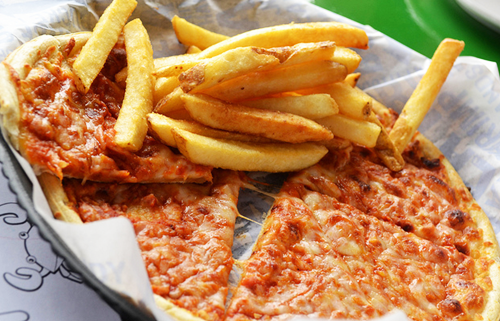

Heart Healthy Recipes Healthy Recipes for Kids for Weight Loss Tumblr for Two for Lunch for Christmas to Lose Weight with Ground Beef
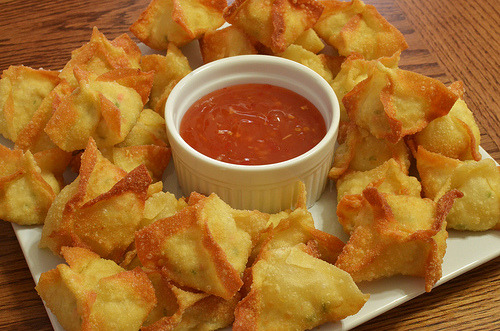
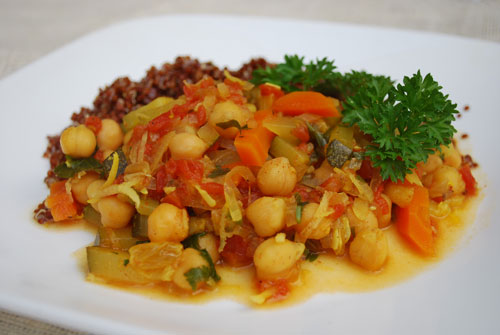
Heart Healthy Recipes Healthy Recipes for Kids for Weight Loss Tumblr for Two for Lunch for Christmas to Lose Weight with Ground Beef


Healthy Food Recipes Healthy Recipes for Kids for Weight Loss Tumblr for Two for Lunch for Christmas to Lose Weight with Ground Beef

Healthy Food Recipes Biography


Source:- Google.com.pk
Health food is food considered to be beneficial to health in ways that go beyond a normal healthy diet required for human nutrition. Because there is no precise, authoritative definition from regulatory agencies such as the U.S. Food and Drug Administration, different dietary practices can be considered healthy depending on context.

Foods considered "healthy" may be natural foods, organic foods, whole foods, and sometimes vegetarian or dietary supplements. Such products are sold in health food stores or in the health/organic sections of supermarkets.

Health Claims

The United States, health-related claims on nutrition facts labels are regulated by the U.S. Food and Drug Administration (FDA), while advertising is regulated by the Federal Trade Commission. According to the FDA, "Health claims describe a relationship between a food, food component, or dietary supplement ingredient, and reducing risk of a disease or health-related condition".

In general, claims of health benefits for specific foodstuffs have not been evaluated by national regulatory agencies. Additionally, research funded by manufacturers or marketers that may form the basis of such marketing claims has been shown to result in more favorable results than independently funded research.

While there is no precise definition for "health food", the United States Food and Drug Administration has warned food manufacturers against labeling foods as being "healthy" when they have a high sugar, salt, or fat content.

Apple Cider Vinegar

Apple cider vinegar, otherwise known as cider vinegar or ACV, is a type of vinegar made from cider or apple must and has a pale to medium amber color. Unpasteurized or organic ACV contains mother of vinegar, which has a cobweb-like appearance and can make the vinegar look slightly congealed.

ACV is used in salad dressings, marinades, vinaigrettes, food preservatives, and chutneys, among other things. It is made by crushing apples and squeezing out the liquid. Bacteria and Yeast are added to the liquid to start the alcoholic fermentation process, and the sugars are turned into alcohol. In a second fermentation process, the alcohol is converted into vinegar by acetic acid-forming bacteria (acetobacter). Acetic acid and malic acid give vinegar its sour taste.

Corn Flakes

Corn flakes are a popular breakfast cereal originally manufactured by Kellogg's through the treatment of maize. A patent for the product was filed on May 31, 1895, and issued on April 14, 1896.

Digestive Biscuit

A digestive biscuit, sometimes described as a sweet-meal biscuit, is a semi-sweet biscuit (usually known in American English as a "cookie" that originated in the United Kingdom and is popular worldwide. The digestive was first developed in 1839 by two Scottish doctors to aid digestion. The term "digestive" is derived from the belief that they had antacid properties due to the use of sodium bicarbonate when they were first developed. Historically, some producers used diastatic malt extract to "digest" some of the starch that existed in flour prior to baking. The McVitie's digestive is the best selling biscuit in the UK, selling 80 million packs annually.

Herbal Tea

Herbal tea is any beverage made from the infusion or decoction of herbs, spices, or other plant material in hot water, and usually does not contain caffeine. These drinks are distinguished from caffeinated true teas (black, green, white, yellow, oolong, etc., which are prepared from the cured leaves of the tea plant, Camellia sinensis), as well as from decaffeinated tea, in which the caffeine has been removed. In addition to serving as a beverage, many herbal teas are also consumed for their perceived medicinal benefits.

Like beverages made from true teas, herbal teas can be served hot or cold. Herbal teas have been used for nearly as long as written history extends. Documents have been recovered dating back to Ancient Egypt and Ancient China that discuss the enjoyment and uses of herbal teas.

Healthy Food Recipes Healthy Recipes for Kids for Weight Loss Tumblr for Two for Lunch for Christmas to Lose Weight with Ground Beef

Healthy Food Recipes Healthy Recipes for Kids for Weight Loss Tumblr for Two for Lunch for Christmas to Lose Weight with Ground Beef

Healthy Food Recipes Healthy Recipes for Kids for Weight Loss Tumblr for Two for Lunch for Christmas to Lose Weight with Ground Beef

Healthy Food Recipes Healthy Recipes for Kids for Weight Loss Tumblr for Two for Lunch for Christmas to Lose Weight with Ground Beef
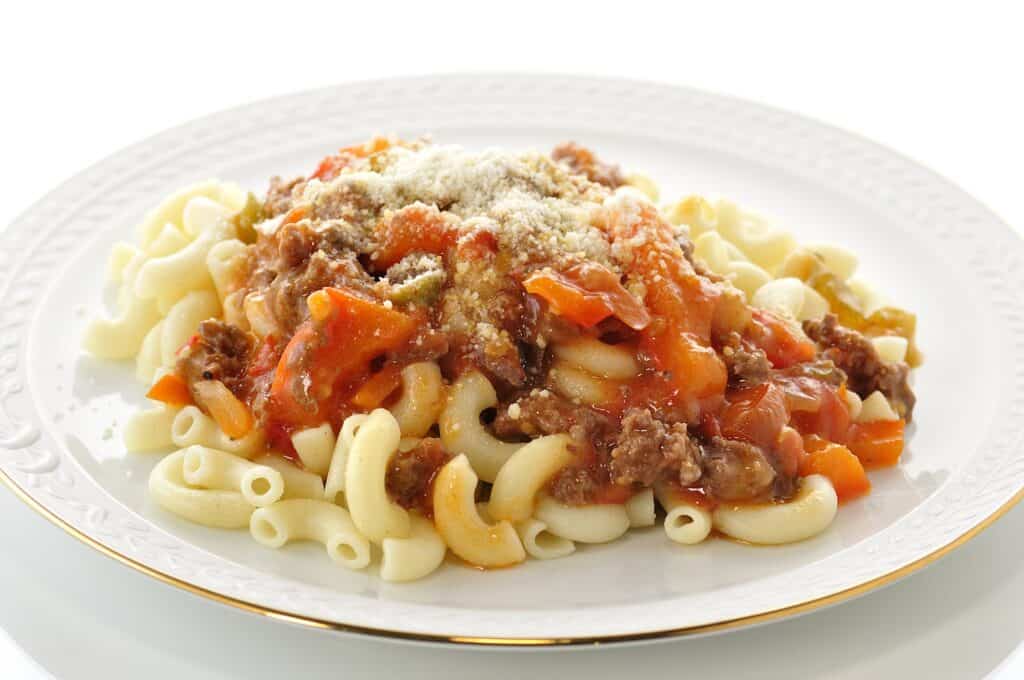
Healthy Food Recipes Healthy Recipes for Kids for Weight Loss Tumblr for Two for Lunch for Christmas to Lose Weight with Ground Beef

Healthy Food Recipes Healthy Recipes for Kids for Weight Loss Tumblr for Two for Lunch for Christmas to Lose Weight with Ground Beef